







The Voyah Plugin Hybrid Car Manufacturer!
AUTO-007, the Global Automobile Business department of Xiamen ITG Holding Group Co., Ltd., is your ONE-STOP shop for everything related to Chinese automobiles. We are a team of passionate professionals dedicated to delivering exceptional service and fostering international automotive trade.
-
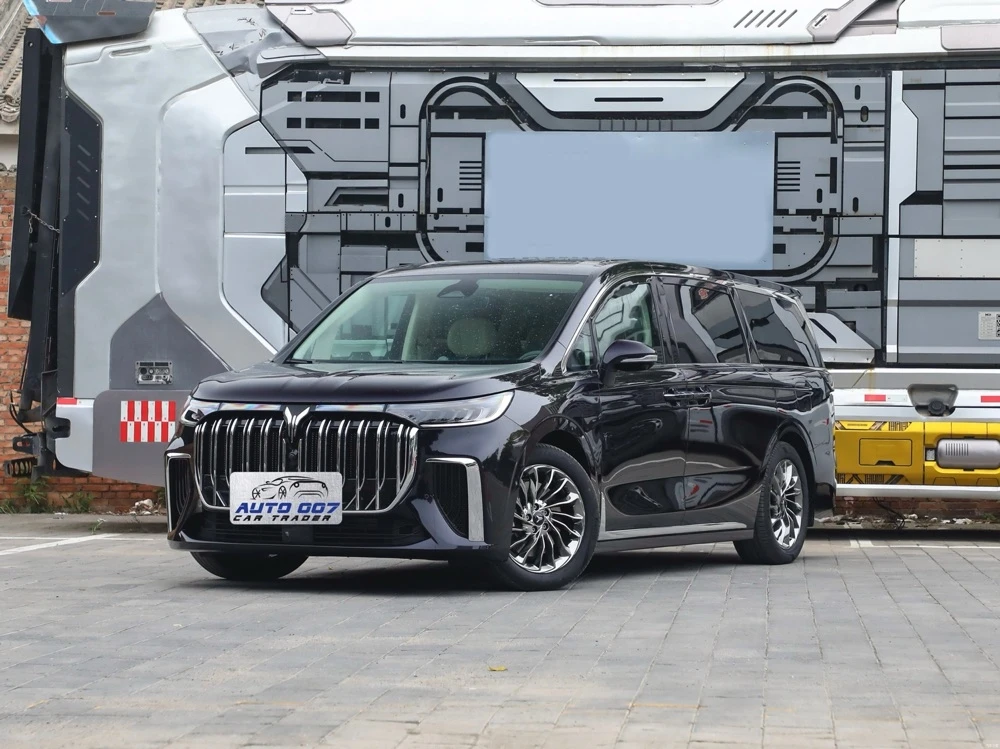
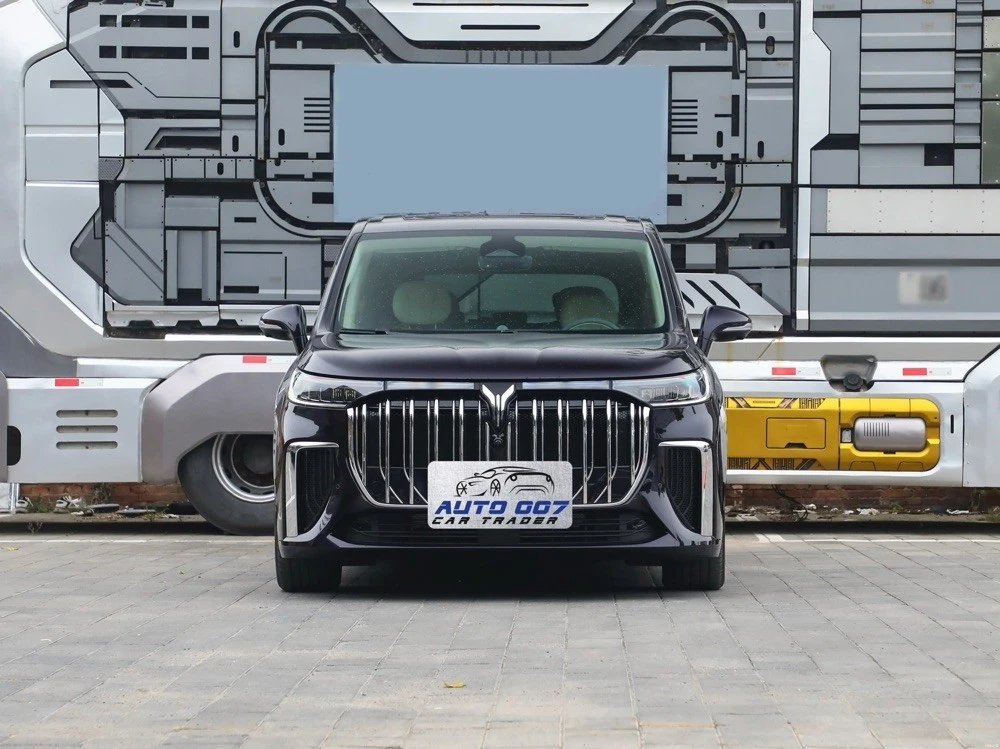
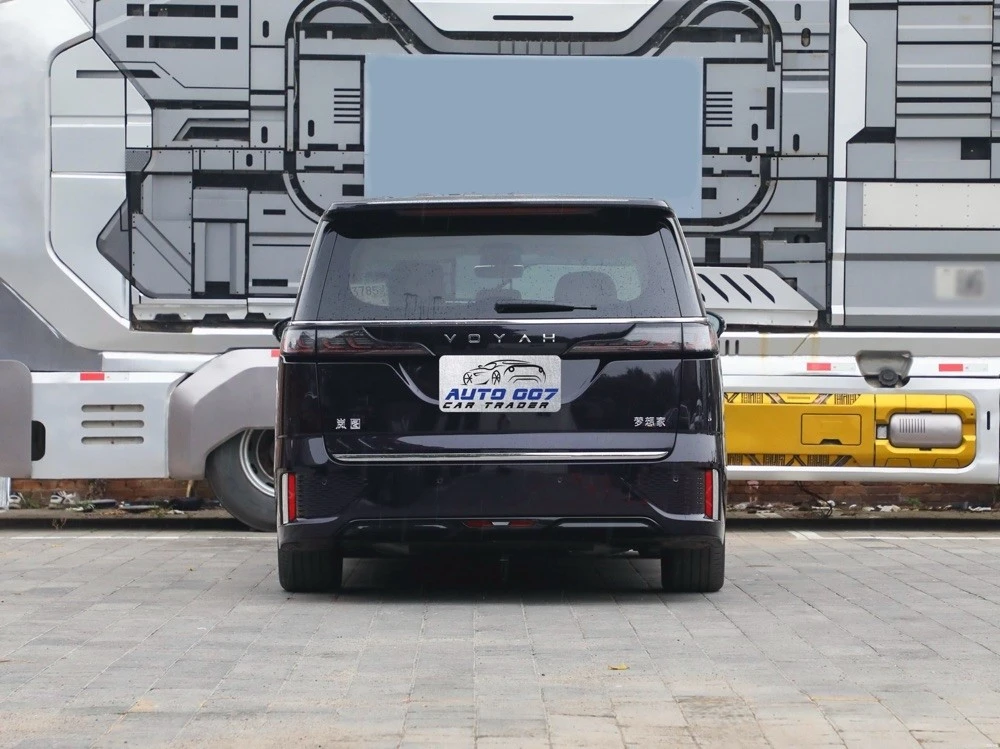
![Voyah Dreamer Plugin Hybrid Car]() Voyah Dreamer Plugin Hybrid CarPrice : 15,000 USD FOB Price Term : EXW / FCA / CIF / CIP Payment Term : TT / LC / OA Logistics : Container / RORO / Train / Truck Lead Time : 10-15 Daysread more
Voyah Dreamer Plugin Hybrid CarPrice : 15,000 USD FOB Price Term : EXW / FCA / CIF / CIP Payment Term : TT / LC / OA Logistics : Container / RORO / Train / Truck Lead Time : 10-15 Daysread more

Why choose us
Nationwide Reach
With over 160 dealerships across China representing a multitude of brands, finding your dream car at low price is effortless.
Fast Delivery
We prioritize fast and efficient delivery, getting you behind the wheel of your car sooner rather than later.
After-Sales Service
Our commitment extends beyond the sale. We offer comprehensive after-sales services and readily available spare parts for long-term peace of mind.
Advantages of a Plug-in Hybrid Car
Eco-Friendly Driving
One of the primary advantages of PHEVs is their ability to operate in electric-only mode for short trips. This mode produces zero emissions, contributing to local air quality and reducing the overall carbon footprint. For urban commuting and short journeys, PHEVs provide an environmentally conscious alternative to traditional vehicles.
Versatility and Extended Range
Unlike fully electric cars that may face range limitations. PHEVs seamlessly transition between electric-only mode and the internal combustion engine. This versatility makes PHEVs suitable for a variety of driving scenarios, from short daily commutes to longer journeys. The internal combustion engine provides extended range, dispelling range anxiety often associated with fully electric cars.
Improved Fuel Economy
PHEVs deliver enhanced fuel economy by leveraging electric power for short trips and city driving. This efficiency is particularly noticeable in stop-and-go traffic, where the electric motor can operate individually, reducing fuel consumption. The result is a cost-effective and fuel-efficient driving experience, offering savings at the pump.
Regenerative Braking Technology
PHEVs utilise regenerative braking technology, converting kinetic energy during braking into electric energy to recharge the battery. This not only improves overall efficiency but also extends the electric-only range. The regenerative braking system makes PHEVs more sustainable. By capturing energy that would otherwise go to waste as heat during braking.
Incentives and Tax Benefits
Many regions and countries offer incentives and tax benefits for plug-in hybrid vehicle owners. These incentives may include tax credits, reduced registration fees, or access to carpool lanes. Such perks make PHEVs an appealing choice, not only for environmental reasons but also for potential financial savings.
Components of ev vehicles

Battery: The heart of an electric car and its primary power source. The battery stores the electrical energy needed to power the electric motor and other devices in the car. It is often lithium-ion due to its high energy density and long life.
Electric Motor: Converts the electrical energy stored in the battery into mechanical energy that drives the wheels. Electric motors offer instant torque, quiet operation, and high efficiency. Some electric cars have a single motor, while others have two or more motors to provide all-wheel drive and better performance.
Power Electronics Controller: This unit acts as a control device between the battery and the electric motor. It converts the direct current (DC) from the battery into the alternating current (AC) required by the motor, regulating the motor's speed, torque, and overall vehicle power.
Onboard Charger: This device allows the electric car's battery to be charged when connected to an external power source, whether a home charger or a public charging station. The onboard charger converts alternating current (AC) from the power source into direct current (DC) to store energy in the battery.
Thermal Management System: This system maintains the ideal operating temperature for the battery, electric motor, and control unit. Temperature control helps ensure optimal performance and a longer lifespan for these vital components.
Transmission (in some cases): Unlike conventional vehicles with multi-speed transmissions, many electric vehicles use a single-speed transmission or no transmission at all. The electric motor provides sufficient torque across a wide range of speeds, making gear changes unnecessary in most situations. However, some electric vehicles may use a simpler transmission to increase efficiency at certain speeds.
Regenerative Braking System: Electric vehicles utilize regenerative braking to recover some of the kinetic energy that would normally be dissipated as heat in conventional braking systems. When the driver slows down or takes their foot off the accelerator, the electric motor acts as a generator, converting the kinetic energy into electrical energy that is fed back into the battery.
Types Of EV Batteries
Most of today's EVs use lithium-ion battery packs. It is the same technology used in smartphones and laptop computers and are known for having a high power-to-weight ratio. Very efficient and offering excellent high-temperature performance, they are currently the best option for holding a stable charge and are recyclable. However, lithium-ion batteries have come under a lot of scrutiny for the not so eco-friendly way the materials for them are mined. For instance, it takes 500,000 gallons of water to refine one ton of lithium.
You'll mostly find nickel-metal-hydride (or NiMH) battery packs in hybrid vehicles that combine a gasoline engine with electric motors. These cars use gasoline power to recharge the onboard battery. Nickel-metal hydride batteries generally last longer than lithium-ion batteries and are safe to use. The drawbacks are that they are expensive to produce, generate a lot of heat at high temperatures, and have a high discharge rate. Most modern hybrids have switched from NiMH to higher-performing, lighter, and more compact lithium-ion batteries.
Lead-acid batteries are the kind of 12-volt batteries used in gasoline-powered cars to start the motor. They have been around a long time, and are inexpensive and safe to use. However, lead-acid batteries have a relatively short life, and don't perform well in cold weather. This sort of battery is only used in EVs to power supplemental auxiliary features; providing backup power to power steering, brake boosting, and to power the safety features in EVs. They cannot actually power the electric motors themselves.
Like lead-acid batteries, ultracapacitors are used as secondary storage devices and help to level the load of lithium-ion battery packs. They basically store polarized liquid between an electrode and an electrolyte. Ultracapacitors also give EVs an extra boost of power during acceleration.
Packing & Delivery
To better ensure the safety of your goods, professional, environmentally friendly, convenient and efficient packaging services will be provided.
FAQ
As one of the leading voyah plugin hybrid car suppliers in China, we warmly welcome you to wholesale discount voyah plugin hybrid car from our company. All our products are with high quality and competitive price. For more cheap products, contact us now.
Voyah Dreamer specifications