







The Chery New Energy Manufacturer!
AUTO-007, the Global Automobile Business department of Xiamen ITG Holding Group Co., Ltd., is your ONE-STOP shop for everything related to Chinese automobiles. We are a team of passionate professionals dedicated to delivering exceptional service and fostering international automotive trade.
-
![Chery New Energy Little Ant Electric Car]() Chery New Energy Little Ant Electric CarPrice : 15,000 USD FOB Price Term : EXW / FCA / CIF / CIP Payment Term : TT / LC / OA Logistics : Container / RORO / Train / Truck Lead Time : 10-15 Daysread more
Chery New Energy Little Ant Electric CarPrice : 15,000 USD FOB Price Term : EXW / FCA / CIF / CIP Payment Term : TT / LC / OA Logistics : Container / RORO / Train / Truck Lead Time : 10-15 Daysread more -
![Chery New Energy QQ Ice Cream Electric Car]() Chery New Energy QQ Ice Cream Electric CarPrice : 15,000 USD FOB Price Term : EXW / FCA / CIF / CIP Payment Term : TT / LC / OA Logistics : Container / RORO / Train / Truck Lead Time : 10-15 Daysread more
Chery New Energy QQ Ice Cream Electric CarPrice : 15,000 USD FOB Price Term : EXW / FCA / CIF / CIP Payment Term : TT / LC / OA Logistics : Container / RORO / Train / Truck Lead Time : 10-15 Daysread more -
![Chery New Energy EQ7 Electric Car]() Chery New Energy EQ7 Electric CarPrice : 15,000 USD FOB Price Term : EXW / FCA / CIF / CIP Payment Term : TT / LC / OA Logistics : Container / RORO / Train / Truck Lead Time : 10-15 Daysread more
Chery New Energy EQ7 Electric CarPrice : 15,000 USD FOB Price Term : EXW / FCA / CIF / CIP Payment Term : TT / LC / OA Logistics : Container / RORO / Train / Truck Lead Time : 10-15 Daysread more -
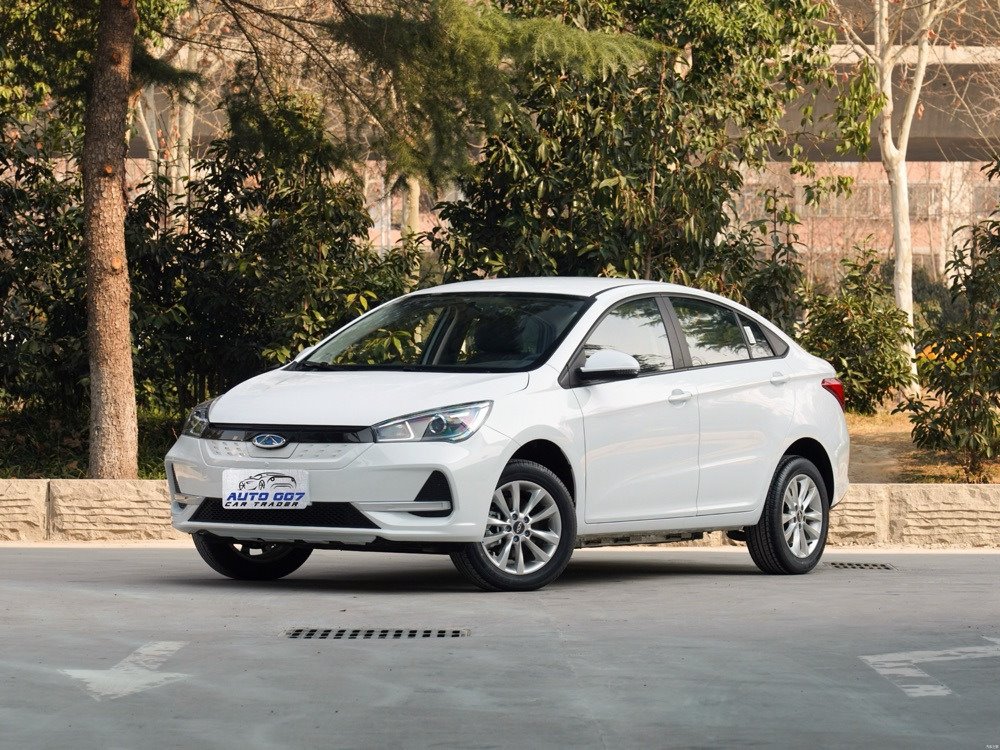
![Chery New Energy Arrizo Electric Car]() Chery New Energy Arrizo Electric CarPrice : 15,000 USD FOB Price Term : EXW / FCA / CIF / CIP Payment Term : TT / LC / OA Logistics : Container / RORO / Train / Truck Lead Time : 10-15 Daysread more
Chery New Energy Arrizo Electric CarPrice : 15,000 USD FOB Price Term : EXW / FCA / CIF / CIP Payment Term : TT / LC / OA Logistics : Container / RORO / Train / Truck Lead Time : 10-15 Daysread more


Why choose us
Nationwide Reach
With over 160 dealerships across China representing a multitude of brands, finding your dream car at low price is effortless.
Fast Delivery
We prioritize fast and efficient delivery, getting you behind the wheel of your car sooner rather than later.
After-Sales Service
Our commitment extends beyond the sale. We offer comprehensive after-sales services and readily available spare parts for long-term peace of mind.
|
Weight(Without battery/kg) |
585 |
|
Motor |
60V3000W |
|
Controller |
60V3000W |
|
Front/rear tire |
450/10 alloy Rim |
|
Brake system |
Disc(F/R) |
|
MP5 |
YES |
|
Reversing radar |
YES |
|
Charging Time(h) |
6-8h |
|
Range per charge/km |
100-150 km |
|
Grade ability |
25% |
|
Battery |
60V58AH |
|
Container Capacity |
4 pcs CBU/40'HQ |
|
Loading capacity/kg |
4 DOORS 4 SEATS |
|
Rear suspension |
Mcpherson front independent suspension |
|
Maximum speed (km/h) |
55km/h |
|
Engerey Comsumption per hundred kms (kw/h) |
7 |
Benefits of new-energy cars

Less environmental strain
Automobiles contribute a significant share of global greenhouse gas emissions, resulting in a considerable environmental impact. New-energy vehicles (nevs), with zero tailpipe emissions, effectively address this concern.
Higher energy efficiency
The use of electric motors in nevs significantly enhances their efficiency by minimising energy loss during power conversion. Compared to conventional vehicles, nevs offer up to 70% higher energy conversion efficiency.

Lower operational cost
The cost of charging an ev in the is approximately aed 0.70 per kwh for standard public charging and around aed 1.20 per kwh for fast charging, making it significantly cost-effective.

Reduce noise pollution
Nevs operate with minimal noise, particularly at low speeds, helping to reduce noise pollution. This is especially beneficial in densely populated areas, where traditional engine noise can impact everyday quality of life.
New energy vehicle power classification
Pure electric car
Blade Electric Vehicles (BEV) is a kind of vehicle that uses a single battery as the energy storage power source. It uses the battery as the energy storage power source to supply electric energy to the motor through the battery to drive the motor to run, thus driving the car.
Hybrid car
Hybrid Electric Vehicle (HEV) refers to a vehicle whose drive system is composed of two or more single drive trains that can run at the same time. The driving power of the vehicle is determined by the single drive system alone or multiple depending on the actual running state of the vehicle. The drive system is provided together. Hybrid vehicles come in many forms depending on the components, layout, and control strategy.
Fuel cell electric car
Fuel Cell Electric Vehicle (FCEV) uses hydrogen and oxygen in the air under the action of a catalyst. An electric vehicle that is driven by an electrochemical reaction in a fuel cell as a main power source. Fuel cell electric vehicles are essentially one type of pure electric vehicles. The main difference is that the working principle of power batteries is different. In general, fuel cells convert chemical energy into electrical energy through electrochemical reactions. Hydrogen is required for electrochemical reactions, and oxygen is used for oxidants. Therefore, most of the fuel cell electric vehicles developed at the earliest use hydrogen fuel directly. The hydrogen can be stored in the form of liquefied hydrogen, compressed hydrogen or metal hydride hydrogen storage.
Hydrogen engine car
A hydrogen engine car is a car powered by a hydrogen engine. The fuel used in general engines is diesel or gasoline, and the fuel used in hydrogen engines is gaseous hydrogen. Hydrogen engine car is a kind of vehicle that realizes zero emission. It emits pure water, which has the advantages of no pollution, zero emission and abundant reserves.
Other new energy vehicles
Other new energy vehicles include cars that use high-capacity energy storage devices such as supercapacitors and flywheels. At present, in New energy vehicles mainly refer to pure electric vehicles, extended-range electric vehicles, plug-in hybrid vehicles and fuel cell electric vehicles. Conventional hybrid vehicles are classified as energy-saving vehicles.
Understanding electric vehicle costs
Initial investment vs. long-term savings: Charging an EV at home costs roughly R0.90 per kWh, meaning a full charge for about 300km is around R80, compared to about R500 spent on petrol for the same distance.
Charging costs: Charging at home keeps charging costs low, especially when taking advantage of off-peak tariffs. When using solar power, this cost can drop to almost zero. Public charging can cost between R1.50 to R3.50 per kWh depending on the station and the charging options available, but many offer subscription plans that lower these prices.
Battery longevity and replacement: Electric vehicle batteries typically last 8 to 10 years, and even longer with proper care. Battery replacement costs currently hover around R100 000 but are expected to decrease with advances in technology.
Servicing intervals: Electric vehicles typically require servicing every 2 years or 30 000 km, with services that can be completed while you wait, as EVs have fewer moving parts compared to petrol vehicles. Services generally include battery health checks, brake inspections, and a general assessment, resulting in lower service costs.
Resale value: While the electric vehicle resale market is still a developing one in South Africa, growing interest and improved infrastructure suggest strong future prospects.
FAQ
As one of the leading chery new energy suppliers in China, we warmly welcome you to wholesale discount chery new energy from our company. All our products are with high quality and competitive price. For more cheap products, contact us now.