







The Haval Plugin Hybrid Car Manufacturer!
AUTO-007, the Global Automobile Business department of Xiamen ITG Holding Group Co., Ltd., is your ONE-STOP shop for everything related to Chinese automobiles. We are a team of passionate professionals dedicated to delivering exceptional service and fostering international automotive trade.
-
![Haval Dragon Plugin Hybrid Car]() Haval Dragon Plugin Hybrid CarPrice : 15,000 USD FOB Price Term : EXW / FCA / CIF / CIP Payment Term : TT / LC / OA Logistics : Container / RORO / Train / Truck Lead Time : 10-15 Daysread more
Haval Dragon Plugin Hybrid CarPrice : 15,000 USD FOB Price Term : EXW / FCA / CIF / CIP Payment Term : TT / LC / OA Logistics : Container / RORO / Train / Truck Lead Time : 10-15 Daysread more -
![Haval Big Dog 2nd Generation Plugin Hybrid Car]() Haval Big Dog 2nd Generation Plugin Hybrid CarPrice : 15,000 USD FOB Price Term : EXW / FCA / CIF / CIP Payment Term : TT / LC / OA Logistics : Container / RORO / Train / Truck Lead Time : 10-15 Daysread more
Haval Big Dog 2nd Generation Plugin Hybrid CarPrice : 15,000 USD FOB Price Term : EXW / FCA / CIF / CIP Payment Term : TT / LC / OA Logistics : Container / RORO / Train / Truck Lead Time : 10-15 Daysread more -
![Haval Vigorous Dragon Plugin Hybrid Car]() Haval Vigorous Dragon Plugin Hybrid CarPrice : 15,000 USD FOB Price Term : EXW / FCA / CIF / CIP Payment Term : TT / LC / OA Logistics : Container / RORO / Train / Truck Lead Time : 10-15 Daysread more
Haval Vigorous Dragon Plugin Hybrid CarPrice : 15,000 USD FOB Price Term : EXW / FCA / CIF / CIP Payment Term : TT / LC / OA Logistics : Container / RORO / Train / Truck Lead Time : 10-15 Daysread more


Why choose us
Nationwide Reach
With over 160 dealerships across China representing a multitude of brands, finding your dream car at low price is effortless.
Fast Delivery
We prioritize fast and efficient delivery, getting you behind the wheel of your car sooner rather than later.
After-Sales Service
Our commitment extends beyond the sale. We offer comprehensive after-sales services and readily available spare parts for long-term peace of mind.
Different Components of a Plug-in Hybrid EV
Battery
An external battery supplies the necessary power to operate your car and its built-in systems, such as the infotainment system, lights, and air conditioner.
Onboard Chargers
The onboard chargers carefully monitor your car battery's voltage, current flow, and temperature. Thus, they assist in optimising the battery's performance. In addition, onboard chargers transform AC to DC power while charging car batteries.
Electric Generator
It is a vital part that uses the braking force in PHEVs to charge their traction batteries. In selected plug-in hybrid cars, the electric traction motor and electric generator are the same, and they leverage regenerative braking to charge the battery.
Exclusive Exhaust System
Not all EV segments feature an exhaust system. However, plug-in hybrid EVs include exhausts as their engines run on fuel and the batteries drain out. Hence, a strategically modelled three-way catalyst-design exhaust is added to enable emissions through the tailpipe.
Power Electronics Control
Another vital component of PHEVs is the power electronics control systems, which monitor the current flow from the traction battery unit to the electric traction motor. Most importantly, they regulate the motor's speed and control the generated torque.
Emissions mitigation cost for the plug-in hybrid
The cost of CO2 emissions, which means the impact these vehicles have on the environment and climate, also has financial implications. Even though plug-in vehicles don't emit CO2 while driving, the electricity they use to charge their batteries is often generated from burning fossil fuels that produce CO2.
Comparing the CO2 mitigation cost of the plug-in hybrid with the fully electric vehicle (BEV), the cost overall of the electric vehicle is less compared to the plug-in. The fully electric car is more energy efficient and has no tailpipe emissions. A tailpipe emission refers to the gases and pollutants released from the exhaust system of the vehicle's engine.
As compared to conventional vehicles, CO2 has a lower mitigation cost. However, one crucial concept in this is the wheel energy chain. This concept refers to the entire lifecycle of energy production, transportation, and consumption for the vehicle. The well-to-wheel energy chain is lower in plug-in hybrid vehicles than in fully hybrid and conventional cars. Compared to mild and full hybrids, they also have a higher cost. Higher upfront costs, battery technology, limited economies of scale, maintenance, service, and charging infrastructure increase prices.
Challenges in Integration of PHEVs in Smart Grids
The adoption of plug-in hybrid electric vehicles at large scale need a robust and easily accessible charging infrastructure. This requires high investment.
PHEVs enable bidirectional flow of power between vehicle and grid. Thus, it is required to upgrade our conventional grid with modern technologies and devices to implement this functionality which is again a cost intensive task There are lots manufacturers of PHEVs, charging stations, and utility service providers. There may be compatibility issues between all these components due to non-standardization of communication protocols and interfaces.
For proper optimization of grid operations, we need to manage and process the huge amount data produced by PHEVs and smart grid components. This requires advanced technology and investment.
In development and deployment of PHEVs in smart grid infrastructure require several certifications from government and regulatory bodies which adds additional processing time.
Technology and Features
Advanced Infotainment
The Big Dog Hi4 Edition is equipped with a modern infotainment system, providing access to navigation, entertainment, and vehicle settings.
Driver-Assistance Systems
Benefit from features like L2+ level driver assistance, adaptive cruise control, and automatic braking.

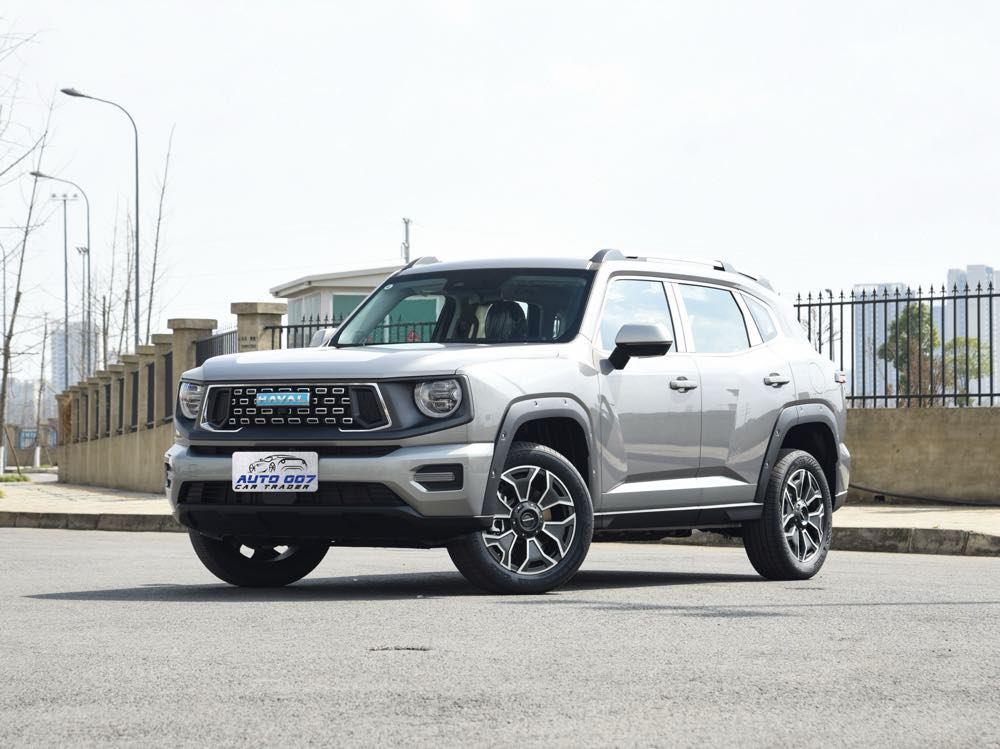
Powerful Hybrid System: The Hi4 plug-in hybrid system delivers impressive acceleration and performance.
Fuel Efficiency: The Big Dog Hi4 Edition offers efficient fuel consumption for daily commutes and longer trips.
FAQ
As one of the leading haval plugin hybrid car suppliers in China, we warmly welcome you to wholesale discount haval plugin hybrid car from our company. All our products are with high quality and competitive price. For more cheap products, contact us now.