







Hey there, fellow car enthusiasts! As a supplier for Xpeng, I often get asked about the equipment needed to charge an Xpeng car at home. Well, you're in the right place because I'm gonna break it all down for you.
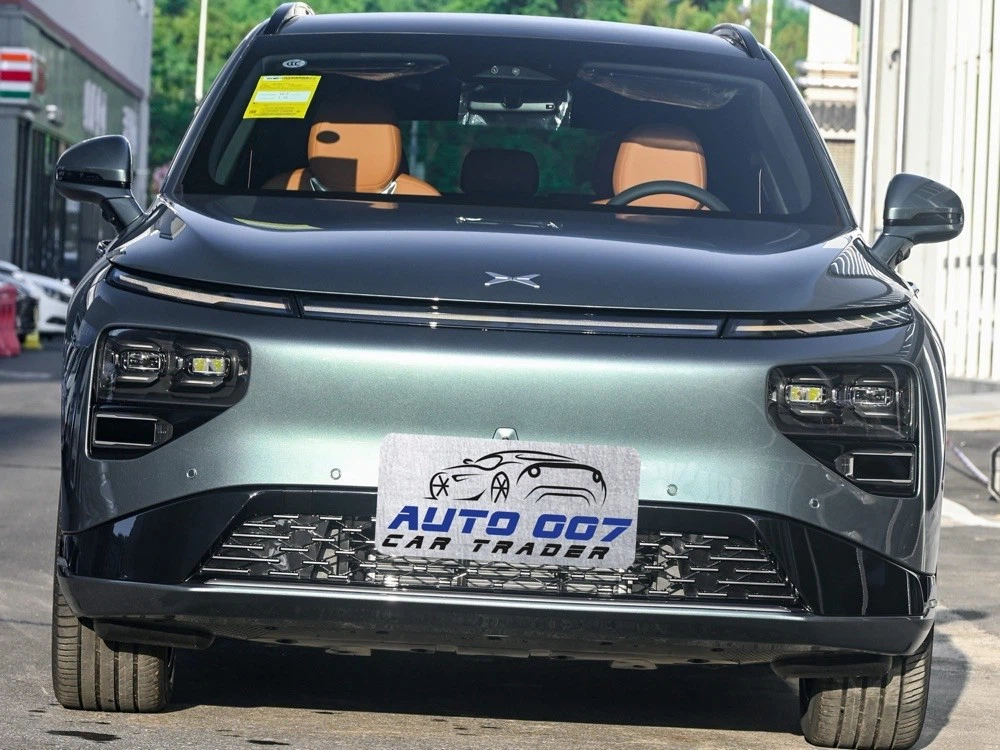
First things first, let's talk about the different Xpeng models out there. There's the Xpeng G9 Electric Car and the Xpeng P7 Electric Car. These are some pretty awesome electric vehicles with their own unique features and charging requirements.
The Basics of Home Charging
When it comes to charging your Xpeng car at home, there are a few key pieces of equipment you'll need. The most basic option is using a standard household outlet, also known as a Level 1 charger. This is like the slow and steady tortoise of charging methods. It uses a 120-volt outlet, which is the kind you have in your home for things like lamps and small appliances.
The good thing about a Level 1 charger is that it's super easy to set up. You just plug the charger into the outlet and then into your car. No fancy installation required. But the downside is that it's really slow. It can take anywhere from 20 to 40 hours to fully charge your Xpeng, depending on the battery size. So, if you're in a hurry to get back on the road, this might not be the best option.
Level 2 Chargers: The Faster Option
If you want to charge your Xpeng car faster at home, then a Level 2 charger is the way to go. A Level 2 charger uses a 240-volt outlet, which is the same kind of outlet that your dryer or electric range uses. This type of charger can charge your Xpeng much faster than a Level 1 charger.
On average, a Level 2 charger can fully charge your Xpeng in about 4 to 8 hours. That's a huge improvement over the Level 1 charger. But there's a catch. You'll need to have a 240-volt outlet installed in your home if you don't already have one. This usually requires the help of a licensed electrician, which can add to the cost.

What You'll Need for a Level 2 Charger
- Charging Station: The first thing you'll need is a charging station. There are a lot of different options out there, but you'll want to make sure it's compatible with your Xpeng car. Most Xpeng models use the J1772 charging standard, so look for a charging station that supports this.
- Mounting Bracket: You'll also need a mounting bracket to attach the charging station to a wall or post. This keeps the charging station secure and makes it easier to use.
- Electrical Wiring: As I mentioned earlier, you'll need to have a 240-volt outlet installed. This requires electrical wiring to be run from your electrical panel to the location of the charging station. Make sure to hire a professional electrician to do this job to ensure it's done safely.
- Circuit Breaker: You'll need a circuit breaker that can handle the electrical load of the charging station. The size of the circuit breaker will depend on the amperage of the charging station.
Smart Chargers: The Future of Home Charging
In addition to the basic equipment, you might also want to consider getting a smart charger. A smart charger allows you to control the charging process using your smartphone or other device. You can set the charging time, monitor the charging status, and even get notifications when your car is fully charged.
Smart chargers also have some other cool features, like the ability to adjust the charging speed based on the electricity rates. For example, if you have a time-of-use electricity plan, you can set the charger to charge your car during off-peak hours when the electricity is cheaper.
Installation and Maintenance
Once you have all the equipment, it's time to install the charging station. As I said before, it's best to hire a licensed electrician to do this. They'll make sure the installation is done correctly and safely.
After the installation, you'll need to do some regular maintenance on the charging station. This includes checking the cables and connectors for any signs of damage, cleaning the charging station, and making sure it's working properly.
Cost Considerations
The cost of charging your Xpeng car at home will depend on a few factors, including the type of charger you use, the electricity rates in your area, and how often you charge your car.
A Level 1 charger is the cheapest option because you don't need to buy any additional equipment or have any installation done. But as I mentioned earlier, it's also the slowest.
A Level 2 charger is more expensive because you need to buy the charging station and have it installed. The cost of the charging station can range from a few hundred dollars to over a thousand dollars, depending on the features and brand. The installation cost can also vary, but it's usually around $500 to $1,500.
Conclusion
So, there you have it. That's what you need to charge an Xpeng car at home. Whether you choose a Level 1 charger for its simplicity or a Level 2 charger for its speed, make sure you have all the necessary equipment and have it installed correctly.
If you're interested in purchasing the equipment for charging your Xpeng car at home, I'd love to have a chat with you. As a Xpeng supplier, I can offer you high-quality products and professional advice. Just reach out to me, and we can start the procurement discussion.
References
- Xpeng official website
- Industry reports on electric vehicle charging equipment