







Hey there! I'm a supplier for NIO, and today I wanna dig deep into how NIO supports non - blocking I/O. It's a pretty cool topic, and I've got some insider knowledge to share with you all.
First off, let's talk a bit about what non - blocking I/O is. In simple terms, non - blocking I/O allows a program to continue doing other tasks while waiting for an I/O operation to complete. Instead of sitting around twiddling its thumbs, the program can jump to other jobs and then come back to check on the I/O operation later. This is super important in a high - performance system like NIO's, where efficiency is key.

NIO has a bunch of technologies and strategies in place to make non - blocking I/O work smoothly. One of the core components is its event - driven architecture. In this setup, NIO uses an event loop to monitor different I/O sources. When an event occurs, like data being ready to be read or written, the event loop gets notified. This way, the system doesn't have to constantly check if the I/O operation is done; it just waits for the event to signal that something has happened.
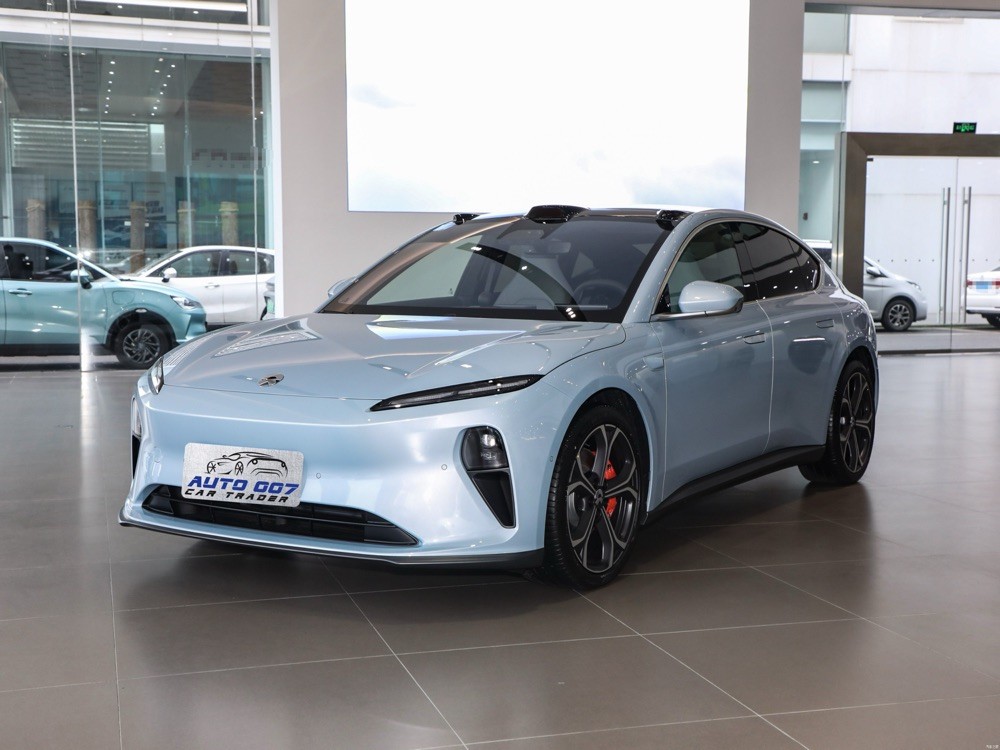
For example, when you're charging your Nio ET5 Electric Car, the car's system needs to communicate with the charging station. With non - blocking I/O, the car can continue performing other tasks, like adjusting the interior temperature or running diagnostic checks, while waiting for the charging status updates. This makes the overall experience more efficient and seamless for the user.
Another aspect is how NIO manages its buffers. Buffers are used to store data during I/O operations. NIO uses a buffer pool to optimize memory usage. Instead of creating new buffers every time an I/O operation is needed, the system can reuse existing buffers from the pool. This not only saves memory but also speeds up the I/O process.
Let's say you're streaming music in your NIO vehicle. The system needs to buffer the audio data coming from the streaming service. By using the buffer pool, NIO can quickly allocate and deallocate buffers as needed, ensuring a smooth and uninterrupted music playback experience. And all of this is made possible with the support of non - blocking I/O.
NIO also leverages advanced networking protocols to support non - blocking I/O. These protocols are designed to handle multiple connections simultaneously without getting bogged down. For instance, when you're using the car's Wi - Fi to connect to the internet, the system can handle multiple data streams, like downloading maps, streaming videos, and sending vehicle data to the cloud, all at the same time. The non - blocking I/O model allows the system to switch between these different tasks efficiently, providing a fast and reliable network experience.
In addition to the technical aspects, NIO's software development practices also play a crucial role in supporting non - blocking I/O. The development teams at NIO are constantly working on optimizing the code to make the most of non - blocking I/O capabilities. They use programming languages and frameworks that are well - suited for event - driven programming, such as Java's NIO package.
This focus on software optimization ensures that the entire NIO ecosystem, from the vehicles to the cloud services, can take full advantage of non - blocking I/O. It means that whether you're interacting with your car's infotainment system or managing your vehicle's settings through the mobile app, you'll experience fast and responsive performance.
Now, you might be wondering how all of this benefits us as suppliers. Well, for starters, it allows us to develop more innovative and efficient products. Since NIO's system can handle multiple I/O operations without blocking, we can design components that communicate with the vehicle in a more seamless way.
For example, we can create sensors that can send and receive data continuously without causing any lag in the vehicle's performance. This opens up a whole new world of possibilities for improving safety, comfort, and overall user experience in NIO vehicles.
As a supplier, I've seen firsthand how NIO's commitment to non - blocking I/O has driven innovation in the automotive industry. It's not just about making the cars faster or more efficient; it's about creating a connected and intelligent driving experience.
If you're in the market for high - quality automotive components and are interested in partnering with a company that's at the forefront of technology, then NIO is the way to go. Our support for non - blocking I/O ensures that your products will integrate seamlessly with NIO's ecosystem, providing a competitive edge in the market.
Whether you're a small startup looking to make your mark in the automotive industry or an established player seeking to expand your product line, we're here to work with you. We believe that by collaborating with suppliers, we can continue to push the boundaries of what's possible in electric vehicle technology.
So, if you're interested in learning more about how you can become a part of the NIO supply chain and take advantage of our non - blocking I/O technology, don't hesitate to reach out. Let's have a chat about how we can work together to create the future of transportation.
References
- Understanding Non - blocking I/O in High - Performance Systems
- Event - Driven Programming in Automotive Software
- Buffer Management Strategies for Efficient I/O Operations